
Pick-ban phase
The draft is a signal. First-pick flex, second-phase counter, and last-pick comfort all carry meaning. Boost translates the pick-ban into what the viewer should watch in the first five minutes — which lane will be pressured, which jungle path will close early, which side wants the first objective trade.
Laning phase priorities
The laning phase is a reading exercise. Last-hitting, wave control and trade windows decide who rotates first to the river. Boost explains the wave-state cues that tell a viewer when a gank is incoming and when a side plans to give up the first tower.
Objective trades
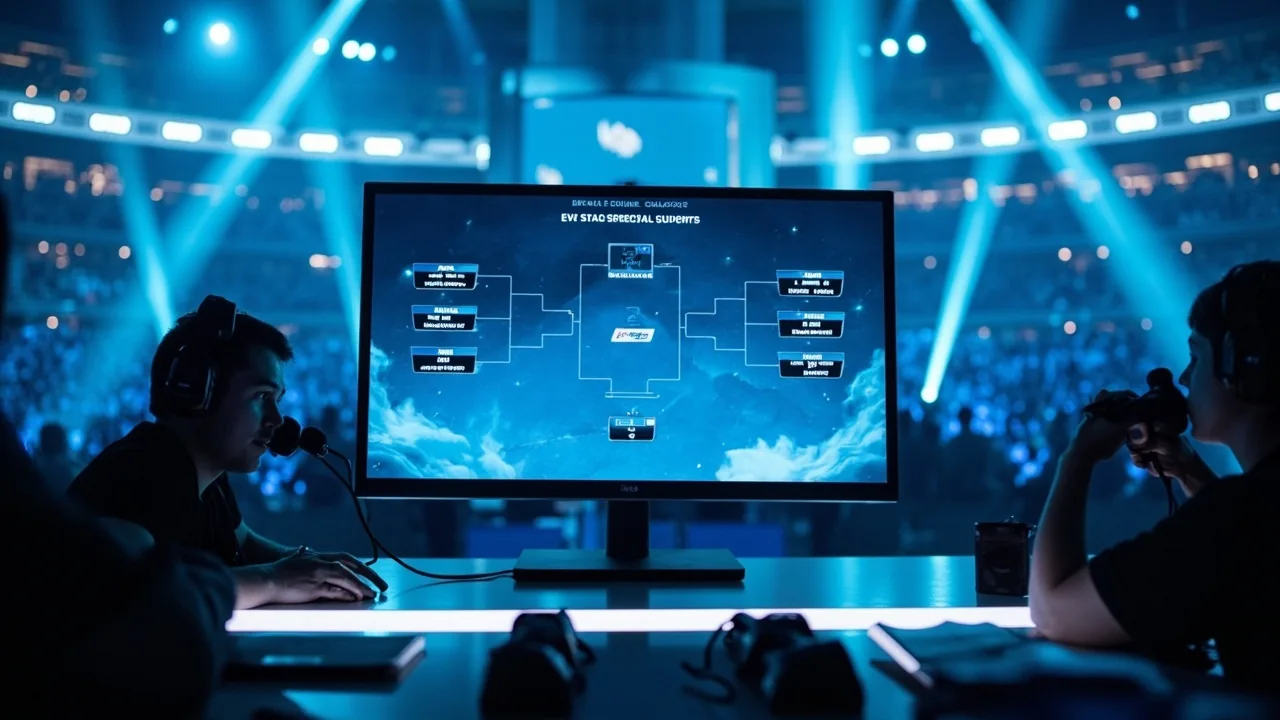
First dragon, first herald, first tower — each objective is a trade. Boost tracks which side gives up which objective, the tempo window that follows, and how the trade compounds into the mid-game team-fight.
Macro rotations
Late game is a macro read. Side-lane pressure, vision setup, and the catch window decide the final team-fight. Boost explains the catch rotation, the split-push answer, and the base-race trade that resolves a long series.
Frequently asked
Which MOBA circuits does Boost cover?
Boost covers publisher-recognised competitive circuits across regions. The publisher’s official page is the source of truth for patch version, pick-ban format and bracket seeding.
Does Boost publish patch tier lists?
No. Boost is editorial coverage. Patch commentary focuses on what changed in the rule of play and what to watch next, not on tier-list rankings.
Where do I verify the patch version?
On the publisher’s official patch notes. Every Boost reference carries a version number and a date.