
FPS — tactical round-based
First-person shooters in competitive play run round-based economies. Teams buy utility, take map control, plant or defuse, and reset for the next round. The most-watched FPS circuits reward aim duels, mid-round calls and retake discipline. Boost tracks the maps that decide series and the coaches that read them.

MOBA — draft and macro
MOBAs run a pick-ban phase, a laning phase, an objective phase, and a teamfight phase. The first ten minutes often decide the game. Boost translates draft theory into what a viewer should watch during the early game, and explains the macro rotations that decide the late game.
Battle Royale — endgame and rotations
Battle royale circuits reduce a large map to a small circle over a fixed window. Rotations, third-party windows, and the endgame composition matter more than early-game aim. Boost tracks the regional circuits that decide who qualifies for international brackets and explains the late-game calls that decide a placement.
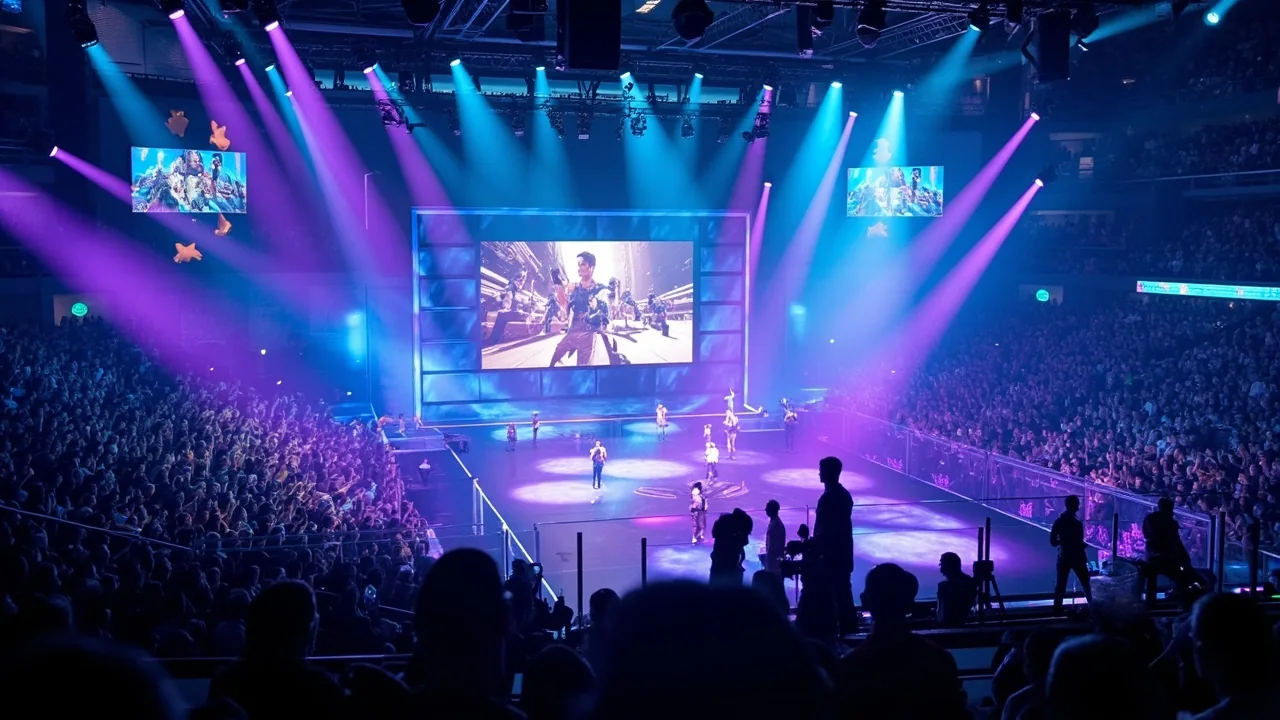
Fighting — matchups and bracket resets
Fighting game circuits run pool play into a bracket. The bracket reset is the most-watched mechanic — it means the team from the losers’ bracket has to win twice in the grand final. Boost explains matchup theory, frame data basics, and the EVO calendar.
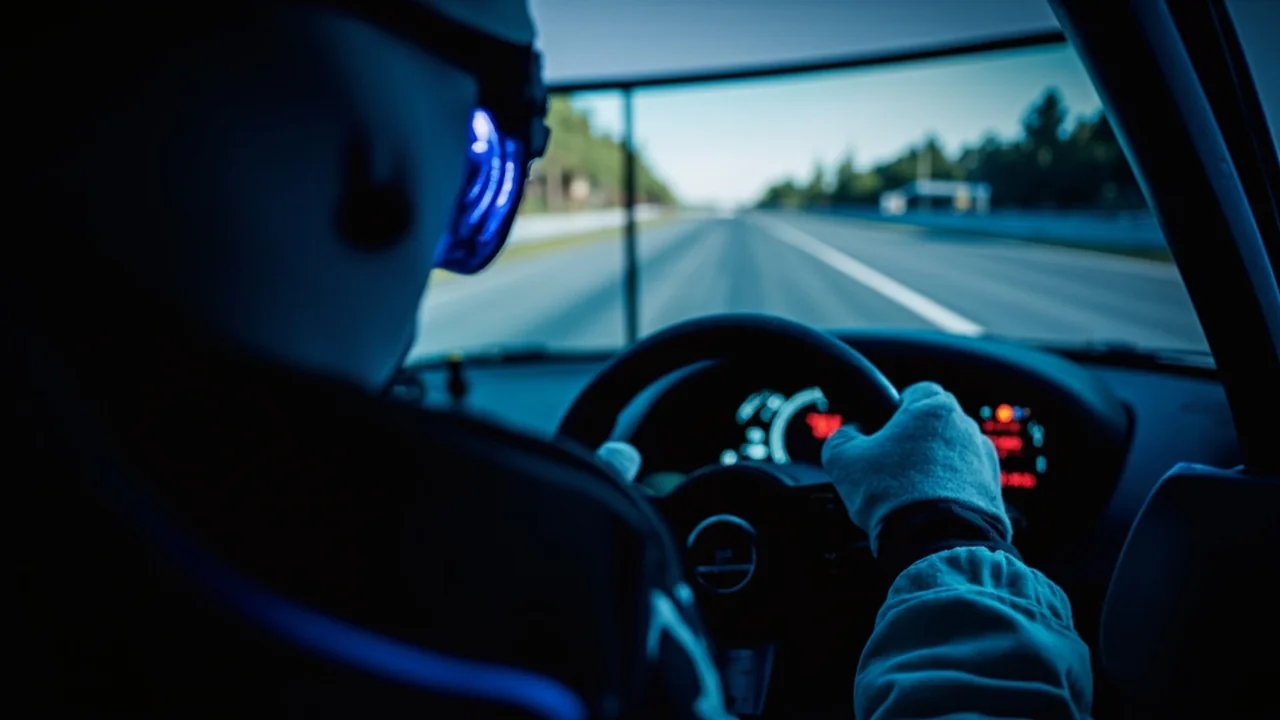
Racing — pace, pit windows, safety cars
Racing circuits run a stint-based format. Pit windows, tyre degradation and safety cars rewrite the strategy on the fly. Boost explains how a race unfolds from lights out to the chequered flag and how strategy calls decide a podium.
Frequently asked
Which genres does Boost cover?
Boost covers five publisher-recognised competitive genres: FPS, MOBA, Battle Royale, Fighting and Racing. Card and Strategy are tracked as secondary categories.
Where do I find the official circuit schedule?
On the publisher’s official page. Boost links to the publisher’s page in every relevant guide.
Does Boost cover casual games or only competitive?
Competitive circuits only. Boost is an editorial desk for competitive gaming.